BellyFlush Ingredients: All Eleven in Listed Order
BellyFlush contains eleven named herbal ingredients.
The first three are cascara sagrada bark, cape aloe leaf and senna leaf extract, which are stimulant laxatives. No amount per capsule is listed.
Next, see how to take the two capsules.
01
What is known, and what is not
Eleven ingredients are named, in the written pack only. None is named on any artwork.
The first three are stimulant laxatives: cascara sagrada bark, cape aloe leaf and senna leaf extract.
No amount is declared for any of the eleven, anywhere in this pack — including no sennoside content.
Six of the eleven have no published human dose in any government source this site opened, so none is printed for them.
02
The eleven, in the pack's own order
The order is the finding
These are the eleven ingredients in the order the written pack names them. The first three are stimulant laxatives — cascara sagrada, cape aloe and senna. Nothing on the front of the bottle says so: it says Detox and Cleanse
, Gut and Colon Support
and Reduces Occasional Bloating
. The last of those is the only claim a stimulant laxative would reliably produce, and it is produced by a route the label does not name.
- 01
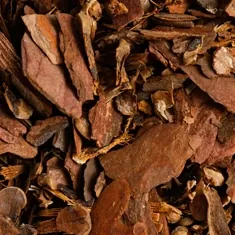 Cascara Sagrada barkstimulant laxative — reclassified by FDA to Category II in 2002
- 02
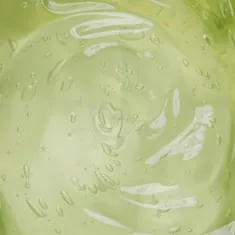 Cape Aloe leafstimulant laxative — reclassified by FDA to Category II in 2002
- 03
 Senna leaf extractstimulant laxative — OTC labels say not longer than 1 week
- 04
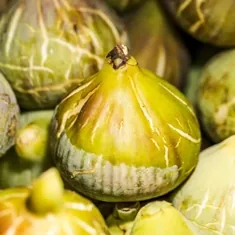 Triphala fruitno dose published in the sources this site opened
- 05
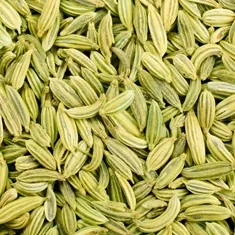 Fennel seedno dose published in the sources this site opened
- 06
 Bentonite clayno dose published in the sources this site opened
- 07
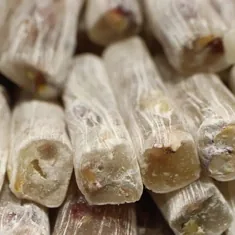 Marshmallow rootno dose published in the sources this site opened
- 08
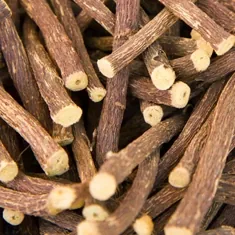 Licorice root extractglycyrrhizin is the part that matters
- 09
 Slippery Elm barkno dose published in the sources this site opened
- 10
 Cayenne pepper fruitno dose published in the sources this site opened
- 11
 Milk Thistle seedwell tolerated; the evidence is thin
If the eleven are declared as a proprietary blend, then under FDA's descending-order rule this order would also be heaviest first, and the three laxatives would be the three heaviest things in the capsule. This site cannot tell you whether that is so, because no Supplement Facts panel was supplied and the order above is the written pack's prose, not a declared order. It is printed here as what it is.
03
What each one is, and what the sources say
- 01stimulant laxativeCascara Sagrada barkreclassified by FDA to Category II in 2002no amount is declared for this ingredient, or for any otherwhat the sources say
FDA's final rule of 9 May 2002,
Status of Certain Additional Over-the-Counter Drug Category II and III Active Ingredients
, reclassified cascara sagrada for OTC laxative use tocategory II (nonmonograph)
, meaning itshould be deemed not generally recognized as safe and effective for OTC use
. The reason wasthe lack of data and information and the failure of interested persons to submit any new data from carcinogenicity studies
. The rule took effect on 5 November 2002.U.S. Food and Drug Administration / Federal Register, 9 May 2002 →
- 02stimulant laxativeCape Aloe leafreclassified by FDA to Category II in 2002no amount is declared for this ingredient, or for any otherwhat the sources say
The same 2002 rule reclassified aloe (including aloe extract and aloe flower extract) for OTC laxative use to category II on the same grounds. NCCIH records that FDA
required manufacturers to remove aloe latex from over-the-counter laxative products because of a lack of safety data
, thatoral use of aloe latex can cause abdominal pain, cramps, and diarrhea
, that oral aloe leaf extracthas been related to cases of acute hepatitis
, and thatoveruse of aloe latex may increase the risk of adverse effects from cardiac glycosides, such as digoxin
. It also records that the International Agency for Research on Cancerhas classified whole leaf extract of aloe vera as a possible carcinogen in humans
.NIH National Center for Complementary and Integrative Health →
- 03stimulant laxativeSenna leaf extractOTC labels say not longer than 1 weekno amount is declared for this ingredient, or for any otherwhat the sources say
Senna is the one of the three that remains an approved OTC laxative, and the terms are explicit. A US OTC senna label declares
Sennosides 8.6 mg
per tablet with the purposeLaxative
, and warns:do not use laxative products for longer than 1 week, unless directed by a doctor
. It also says to stop use and ask a doctor forrectal bleeding or failure to have a bowel movement after use of a laxative
becausethese may indicate a serious condition
. This product declares no sennoside content and no duration limit at all. - 04named in the packTriphala fruitno dose published by the sources openedno amount is declared for this ingredient, or for any otherwhat the sources say
None of the government health sources this site opened publishes a human dose or a safety review for triphala, so none is printed here.
- 05named in the packFennel seedno dose published by the sources openedno amount is declared for this ingredient, or for any otherwhat the sources say
A culinary seed. None of the sources this site opened publishes a supplement dose for it.
- 06named in the packBentonite clayno dose published by the sources openedno amount is declared for this ingredient, or for any otherwhat the sources say
A mineral clay rather than a botanical. It has no Daily Value and no established intake. None of the sources this site opened publishes a dose for it, so none is printed here, and no claim is made about what it does in a capsule.
- 07named in the packMarshmallow rootno dose published by the sources openedno amount is declared for this ingredient, or for any otherwhat the sources say
None of the sources this site opened publishes a human dose for marshmallow root.
- 08named in the packLicorice root extractglycyrrhizin is the part that mattersno amount is declared for this ingredient, or for any otherwhat the sources say
NCCIH: licorice
contains a component called glycyrrhizin, or glycyrrhizic acid, that can cause serious adverse effects
, andeven small amounts of glycyrrhizin from licorice root products have been linked to severe adverse effects
— particularly in people with hypertension and in people with heart or kidney conditions, and especiallywhen consumed in large amounts or in the long term
. Licorice without glycyrrhizinmight be safe for up to 4 months
. Nothing supplied with this product says which kind is in it.NIH National Center for Complementary and Integrative Health →
- 09named in the packSlippery Elm barkno dose published by the sources openedno amount is declared for this ingredient, or for any otherwhat the sources say
None of the sources this site opened publishes a human dose for slippery elm bark.
- 10named in the packCayenne pepper fruitno dose published by the sources openedno amount is declared for this ingredient, or for any otherwhat the sources say
None of the sources this site opened publishes a human dose for cayenne in this context.
- 11named in the packMilk Thistle seedwell tolerated; the evidence is thinno amount is declared for this ingredient, or for any otherwhat the sources say
NCCIH:
there isn't enough high-quality evidence to allow definite conclusions to be reached
, and two NCCIH-funded trialsdid not show benefits from supplementation with the milk thistle extract silymarin
. Oral useappears to be well tolerated
. NCCIH also notes thatconcerns have been raised about poor chemical and microbiological quality of milk thistle dietary supplements
.NIH National Center for Complementary and Integrative Health →
The first three cards are the stimulant laxatives. Not one of the eleven carries an amount, so every figure on the research side of a card is something somebody else measured — never a statement about this capsule.
U.S. stocking partner for BellyFlush
$33 a bottle at six, and 365 days to send them back
The first three ingredients are stimulant laxatives, and every US over-the-counter senna label warns do not use laxative products for longer than 1 week.
Read both before you pay.
Where to buy itRead the guarantee
- Eleven ingredients named, none with an amount
- The first three are stimulant laxatives
- U.S. stocking partner for BellyFlush
This site holds no stock and takes no payment. The prices above were supplied with the product pack and the checkout governs. No shipping figure and no delivery date is printed anywhere on this site, because none was supplied.
04
Why there is no dose chart
Why there is no chart here
Every other site in this series ends this section with a chart: the label's amount against the dose the research used, one row per ingredient. That chart cannot be drawn for this product. One of its two axes does not exist — there is no panel, no serving weight and no amount declared for anything. What follows is the research column standing on its own, with the empty column left visible beside it rather than quietly dropped.
- Cascara Sagrada bark stimulant laxativedeclared on this productnothingpublished for this ingredientreclassified by FDA to Category II in 2002
- Cape Aloe leaf stimulant laxativedeclared on this productnothingpublished for this ingredientreclassified by FDA to Category II in 2002
- Senna leaf extract stimulant laxativedeclared on this productnothingpublished for this ingredientOTC labels say not longer than 1 week
- Triphala fruitdeclared on this productnothingpublished for this ingredientno dose published by the sources opened
- Fennel seeddeclared on this productnothingpublished for this ingredientno dose published by the sources opened
- Bentonite claydeclared on this productnothingpublished for this ingredientno dose published by the sources opened
- Marshmallow rootdeclared on this productnothingpublished for this ingredientno dose published by the sources opened
- Licorice root extractdeclared on this productnothingpublished for this ingredientglycyrrhizin is the part that matters
- Slippery Elm barkdeclared on this productnothingpublished for this ingredientno dose published by the sources opened
- Cayenne pepper fruitdeclared on this productnothingpublished for this ingredientno dose published by the sources opened
- Milk Thistle seeddeclared on this productnothingpublished for this ingredientwell tolerated; the evidence is thin
A dose chart needs two numbers per row: what the label declares and what the research used. This product declares nothing, for any of the eleven. On a stimulant laxative that absence is not a gap in the marketing — it is the number a person needs in order to take the product safely, and nobody supplied it.
05
The three at the top
It is worth separating the three stimulant laxatives from the other eight, because they are the ones with a regulatory history and the ones that produce the effect the product is bought for.
- Cascara sagrada bark — reclassified by FDA to Category II for OTC laxative use in 2002, for want of carcinogenicity data.
- Cape aloe leaf — aloe was reclassified in the same rule and on the same grounds. NCCIH records acute hepatitis cases linked to oral aloe leaf extract, and a digoxin interaction.
- Senna leaf extract — still an approved OTC laxative, with a label that declares sennosides in milligrams and warns against use for longer than one week.
06
Sources
- Status of Certain Additional Over-the-Counter Drug Category II and III Active Ingredients — final rule, 67 FR 31125U.S. Food and Drug Administration / Federal Register, 9 May 2002The rule reclassifying aloe and cascara sagrada for OTC laxative use to
category II (nonmonograph)
, on the grounds ofthe lack of data and information and the failure of interested persons to submit any new data from carcinogenicity studies
. Effective 5 November 2002. - SENNA LAXATIVE tablet — Drug Facts labelDailyMed, U.S. National Library of MedicineA current US over-the-counter senna label: sennosides 8.6 mg, purpose
Laxative
, and the warningdo not use laxative products for longer than 1 week, unless directed by a doctor
. - Aloe Vera: Usefulness and SafetyNIH National Center for Complementary and Integrative HealthFDA's removal of aloe latex from OTC laxatives, the abdominal pain and cramping from oral aloe latex, the acute hepatitis cases linked to oral leaf extract, the digoxin interaction, and IARC's classification of whole leaf extract as a possible human carcinogen.
- Licorice Root: Usefulness and SafetyNIH National Center for Complementary and Integrative HealthGlycyrrhizin and its serious adverse effects, the risk in people with hypertension or heart or kidney conditions, and the four-month window for licorice without glycyrrhizin.
- Milk Thistle: Usefulness and SafetyNIH National Center for Complementary and Integrative HealthThe thin evidence base for liver conditions, the two NCCIH-funded trials that showed no benefit, and the quality concerns about milk thistle supplements.
- 21 CFR 101.36 — Nutrition labeling of dietary supplementsU.S. Electronic Code of Federal RegulationsThe rule that
the label of a dietary supplement that is offered for sale shall bear nutrition labeling in accordance with this regulation
, and the proprietary-blend rules on total weight and descending order of predominance by weight. - Health Products Compliance GuidanceU.S. Federal Trade CommissionThe
competent and reliable scientific evidence
standard, and the rule that consumer testimonialsare never sufficient to substantiate claims about the effects of a health product.
- Complying with the Made in USA StandardU.S. Federal Trade CommissionThe
all or virtually all
standard that a Made in USA claim has to meet.
U.S. stocking partner for BellyFlush
Four things to settle before you pay
Three packs were supplied with prices: $59, $49 and $33 a bottle. The things below are the ones a price does not settle.

- 01Know that the first three ingredients are laxatives
Cascara sagrada, cape aloe and senna, in that order, open this formula. Nothing on the front of the bottle says so. If you were buying this for
gut support
rather than for a laxative effect, that is the fact to have before you pay. - 02Ask for a photograph of the back of the bottle
A Supplement Facts panel is printed on the back of every dietary supplement sold in the US. Without it you cannot know the serving size, any amount, whether the eleven sit in a blend, or what the capsule shell is made of. The order desk is on +1 (800) 390-6035.
- 03Ask what the sennoside content is
That is the figure an over-the-counter senna laxative is required to declare — a US label says
Sennosides 8.6 mg
per tablet. This product declares nothing. It is the single most useful number nobody has. - 04Count the nights against the one-week warning
Every OTC senna label in the US warns
do not use laxative products for longer than 1 week, unless directed by a doctor
. The 6-bottle pack is 180 nights. If you intend to take it for longer than a week, that is theunless directed by a doctor
clause, and it means asking one.
Where to buy itAll three packs
- Eleven ingredients named, none with an amount
- The first three are stimulant laxatives
- U.S. stocking partner for BellyFlush
This site holds no stock and takes no payment. The prices above were supplied with the product pack and the checkout governs. No shipping figure and no delivery date is printed anywhere on this site, because none was supplied.
What this page was checked against
Every figure on it is transcribed from the supplied Supplement Facts panel and checked-out pack, derived by arithmetic from those, or taken from a source on the references page.