Safety · 10 min read
Is BellyFlush Safe? 3 Laxatives, 1 Week on the Pharmacy Label, 0 Doses Declared
Safety in a laxative is about how much and for how long. Both numbers are missing from this bottle.
This site cannot call BellyFlush safe or unsafe, because no amount is declared for any ingredient and no duration limit is printed. The first three are stimulant laxatives, and a US senna label warns against use beyond 1 week unless a doctor directs it. Ask a doctor or pharmacist first.
Key facts
- Dose: no amount declared for any of the eleven ingredients. No sennoside content either.
- Duration: none printed. A current US senna label says do not use laxative products for longer than 1 week, unless directed by a doctor.
- Aloe (NCCIH): oral aloe latex can cause abdominal pain, cramps and diarrhea. Oral aloe leaf extract has been linked to cases of acute hepatitis.
- Digoxin: overuse of aloe latex may increase the risk of adverse effects from cardiac glycosides, such as digoxin.
- Licorice (NCCIH): glycyrrhizin can cause serious adverse effects, especially in people with hypertension or heart or kidney conditions.
- On the bottle: no caution, warning or interaction line appears on any artwork supplied.
Is BellyFlush safe to take?
This site cannot say. Safety with a laxative depends on the amount and on the number of nights. The pack declares neither. No Supplement Facts panel came with it, so there is no milligram figure for any of the eleven ingredients and no sennoside content.
What this page can do is report what named sources say about the ingredients. Those are statements about the ingredients, not about this capsule. They say what somebody else measured.
The practical answer is short. If you are healthy and curious, treat a first bottle as a short trial and keep it short. If you take any daily medicine, have high blood pressure, or have a heart or kidney condition, ask a pharmacist before the first capsule.
What is the 7-day rule on the pharmacy senna label?
A current US over-the-counter senna laxative carries a Drug Facts box. The active ingredient is sennosides 8.6 mg in each tablet. The purpose is laxative. The warning reads: do not use laxative products for longer than 1 week, unless directed by a doctor.
BellyFlush is a dietary supplement, so that warning does not govern it. But the comparison matters. The same class of ingredient sits at the top of the pack's list, and the pharmacy label bounds its use at 7 days. BellyFlush prints no bound at all, and its six-bottle pack is 180 nights.
The last four words of the warning carry the advice. If you want to go longer, a doctor decides.
What side effects can BellyFlush cause?
The pack lists no side effects, and no stop-use line is printed on the artwork. So the points below come from named sources about the ingredients.
- Aloe: NCCIH records that oral aloe latex can cause abdominal pain, cramps and diarrhea, and that oral aloe leaf extract has been related to cases of acute hepatitis.
- Aloe and cancer: NCCIH also notes that the International Agency for Research on Cancer has classed whole leaf extract of aloe vera as a possible human carcinogen.
- Senna: the OTC label says to stop use and ask a doctor for rectal bleeding or for failure to have a bowel movement after use.
- One supplied review line said the first week was too much. This site cannot verify it.
None of this proves that BellyFlush causes any of these effects. It shows what the ingredient sources say.
What did FDA decide about aloe and cascara?
On 9 May 2002, FDA published a final rule, 67 FR 31125. It moved aloe and cascara sagrada to category II for over-the-counter laxative use, meaning they should be deemed not generally recognized as safe and effective for that use. The stated reason was the lack of data and the failure of interested persons to submit new carcinogenicity data. It took effect on 5 November 2002.
Two things to hold. First, it is a ruling about over-the-counter drugs, not about this product or about supplements. Second, it is not a finding that either plant causes cancer. It is a finding that a requested kind of study did not arrive.
Senna was not moved. It remains an approved OTC laxative, with the label above.
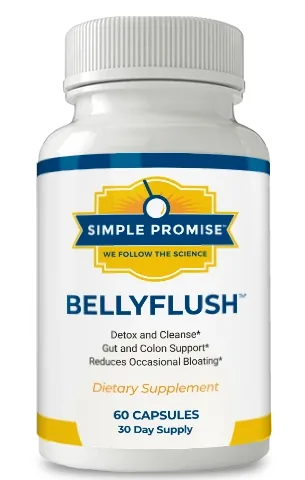
Read the full safety page first
The safety page walks through every ingredient and its named source. The pricing page shows what a pack costs.
See today's price and guarantee
If you buy through a link on this site, it may earn a commission from the order desk. That changes nothing about what is printed here.
What does the licorice ingredient add to the picture?
The pack names licorice root extract eighth in its list. NCCIH says licorice contains glycyrrhizin, which can cause serious adverse effects. Even small amounts have been linked to severe effects in people with hypertension or heart or kidney conditions, and more so in large amounts or over a long time. It adds that licorice without glycyrrhizin might be safe for up to 4 months.
Nothing supplied says which kind of licorice is in BellyFlush. That is one more reason a person with blood pressure, heart or kidney issues should ask first.
Milk thistle, the last name, is described by NCCIH as well tolerated by mouth, with thin evidence of benefit.
What is the safety picture at a glance?
| Item | What is published | Source |
|---|---|---|
| Amount of any ingredient | Not published | Pack, no panel |
| Sennoside content | Not published | Pack, no panel |
| Duration limit | Not printed | Artwork supplied |
| Cascara sagrada, aloe | Category II for OTC laxative use, 2002 | FDA, 67 FR 31125 |
| Aloe latex | Pain, cramps, diarrhea; digoxin interaction | NCCIH |
| Senna | Not longer than 1 week unless directed by a doctor | US senna label |
| Licorice | Glycyrrhizin and blood pressure, heart, kidney | NCCIH |
Every row about an ingredient says what a source found. None says what is in this capsule.
What should you do before you start?
- Take the bottle, or its name, to a pharmacist and ask about your medicines.
- Ask how many nights are sensible for you, and get the answer in writing.
- Pick a quiet night and drink the 8 oz of water the pack names.
- Stop and see a doctor for rectal bleeding, for no bowel movement after a laxative, or for cramping that does not settle.
- Drink enough fluid, since dehydration matters more with this class than with most.
Pregnant or breastfeeding? NCCIH records that oral aloe may be unsafe in both. Ask before you start.
Is Belly Flush safe, and what are the BellyFlush side effects people report?
The questions is belly flush safe and bellyflush side effects have the same honest answer here. This site has no side effect list for the product, because none was supplied, and it will not invent one.
What it can offer is the ingredient record above. Use it as a prompt for a pharmacist, and report anything unusual to a doctor straight away.
Where does this page get its facts?
Every caution below comes from a named source about an ingredient. None comes from the BellyFlush bottle, which prints none.
- Status of Certain Additional Over-the-Counter Drug Category II and III Active Ingredients, final rule, 67 FR 31125, U.S. Food and Drug Administration / Federal Register, May 9, 2002.
- SENNA LAXATIVE tablet, Drug Facts label, DailyMed, U.S. National Library of Medicine.
- Aloe Vera: Usefulness and Safety, NIH National Center for Complementary and Integrative Health (NCCIH).
- Licorice Root: Usefulness and Safety, NIH National Center for Complementary and Integrative Health (NCCIH).
- Milk Thistle: Usefulness and Safety, NIH National Center for Complementary and Integrative Health (NCCIH).
- The product pack supplied to this site: prices, dose line, guarantee terms, contact details and the list of eleven ingredient names.
More on this site: pricing, the label, safety, how to take it and the FAQ.
Frequently asked questions
Is BellyFlush safe?
This site cannot say. No amount is declared for any ingredient and no duration limit is printed. The first three ingredients are stimulant laxatives, so ask a doctor or pharmacist before you start.
What are the side effects of BellyFlush?
None are listed on the product. NCCIH records that oral aloe latex can cause abdominal pain, cramps and diarrhea, and a senna label says to stop for rectal bleeding or no bowel movement after use.
How long can I take BellyFlush safely?
Not published. A US OTC senna label says not longer than 1 week unless directed by a doctor. Ask a doctor if you want to go longer.
Does BellyFlush interact with medicines?
NCCIH names digoxin and other cardiac glycosides with aloe, and blood pressure, heart and kidney issues with licorice. Laxatives also change how much of an oral medicine is absorbed. Ask a pharmacist.
Is BellyFlush safe in pregnancy?
NCCIH records that oral aloe may be unsafe in pregnancy and while breastfeeding. Ask a doctor before taking it.
Did FDA ban aloe or cascara?
No. A 2002 final rule moved them to category II for over-the-counter laxative drug use, effective 5 November 2002. It did not make them unlawful as supplement ingredients.
Our view
A safe answer needs two numbers, and BellyFlush gives neither. That is the plain finding of this page. It is not a claim that the capsule harms anyone. It is a claim that a buyer cannot check.
Our view is practical. Ask before you start, plan the number of nights, and keep the first run short. If you notice bleeding, no bowel movement, strong cramps or signs of dehydration, stop and call a doctor.
BellyFlush is a dietary supplement. It is not a medicine, and it is not FDA approved, because no supplement is. It does not treat, cure or prevent any disease. This page is general information and not medical advice.
Ask the desk the two questions that matter
Call +1 (800) 390-6035 and ask for the sennoside content and the number of nights, in writing. The pricing page has the packs.
See today's price and guarantee
If you buy through a link on this site, it may earn a commission from the order desk. That changes nothing about what is printed here.
Last updated . Cautions are about the named ingredients, not measured on this product.